
Medically reviewed by: Hospital medical team Last reviewed: 2026
What are gallstones?
Gallstones are hardened deposits that form in the gallbladder, a small organ beneath the liver. The gallbladder stores bile, which helps digest fats. Stones vary in size and number, and many people have them without knowing. A stone found incidentally on a scan does not automatically need treatment. Problems usually arise when a stone blocks the outlet of the gallbladder or moves into a bile duct. Your symptoms and test results matter more than the size of a stone alone.
Recognising possible symptoms
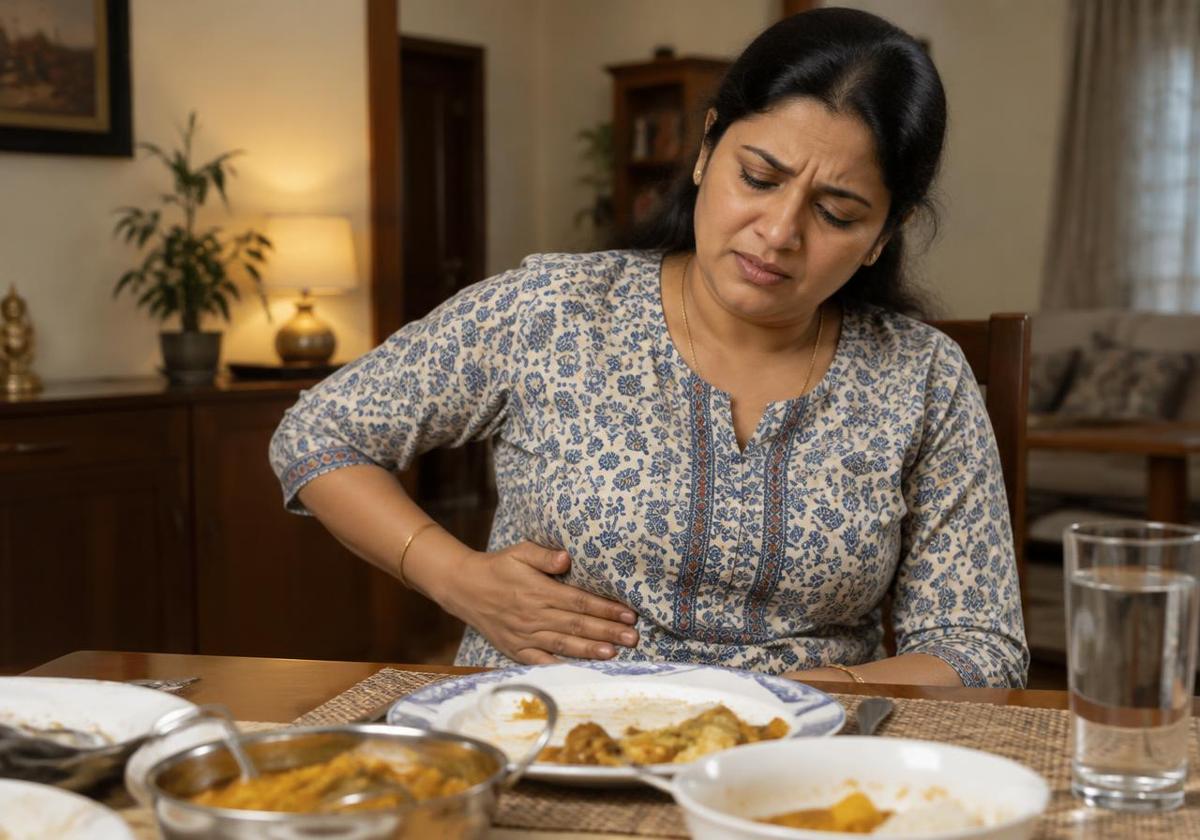
Gallstone pain is often a steady, strong pain in the upper right or centre of the abdomen. It may spread towards the back or right shoulder and last from more than half an hour to several hours. Some people feel sick or vomit. Episodes can follow meals, although not always. Bloating, indigestion and heartburn alone are not reliable signs of gallstones because many other conditions cause them. A doctor can help establish whether a stone is actually responsible for your symptoms.
How doctors assess gallstones
Assessment usually starts with questions about the location, duration and pattern of pain, followed by an examination. An ultrasound scan commonly checks the gallbladder for stones. Blood tests may look for inflammation, infection or blockage affecting the liver and bile ducts. Further imaging may be needed if a duct stone is suspected. Tell the clinician about pregnancy, previous abdominal surgery and medicines you take. Similar pain can have other causes, so an individual assessment is important rather than assuming every episode is gallstone-related.
Understanding treatment options
Gallstones without symptoms often need no treatment, although some situations require specialist advice. Repeated or complicated symptoms may lead to a recommendation to remove the gallbladder, usually through keyhole surgery. The decision considers your general health, the likely benefit and surgical risks. Stones in the main bile duct may need an endoscopic procedure called ERCP or another approach. Avoiding foods that trigger pain can help while awaiting assessment, but diet does not reliably remove existing stones. Most people can digest food without a gallbladder.
When symptoms need urgent care
Seek urgent medical attention for severe or persistent abdominal pain, especially with fever, repeated vomiting or yellowing of the eyes or skin. Dark urine and unusually pale stools can also suggest a blocked bile duct. These symptoms may indicate inflammation, infection or pancreatitis and should not be managed only with home remedies. If you become very unwell, faint or confused, call 112 or attend the nearest emergency department. For recurrent but settled episodes, arrange a planned consultation and keep a record of symptoms.
Related services
References
This information is for general awareness and does not replace advice from a qualified doctor.