
Gastro Sciences
Endoscopy
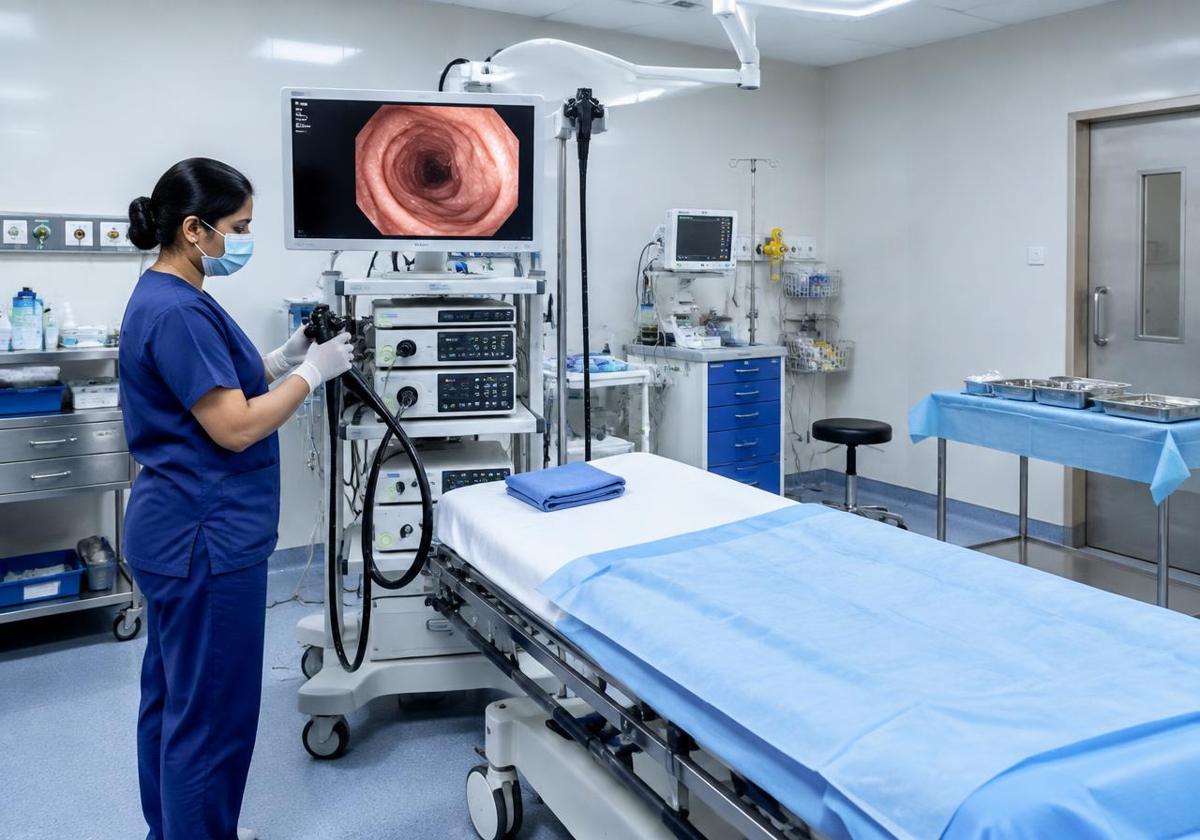
Upper GI endoscopy uses a flexible camera passed through the mouth to examine the oesophagus, stomach and first part of the small intestine. Colonoscopy uses a flexible camera passed through the anus to examine the colon and sometimes the end of the small intestine.
Medically reviewed by: Hospital medical team Last reviewed: 2026
These tests may help investigate symptoms or follow up earlier findings. The clinician should explain the reason for the test, alternatives, preparation and risks, including bleeding, perforation and sedation-related problems. Local availability and arrangements need confirmation.
Conditions treated
- Upper GI endoscopy
- Colonoscopy
- Persistent swallowing difficulty
- Suspected peptic ulcer disease
- Unexplained gastrointestinal bleeding
- Persistent bowel-habit changes
Investigations
- Upper GI endoscopic examination
- Colonoscopic examination
- Histopathology of biopsy samples
- Helicobacter pylori testing on suitable samples
Treatment options
- Treatment planning based on endoscopic findings
- Medication review after an ulcer diagnosis
- Management planning for confirmed intestinal inflammation
- Surveillance planning after selected polyp findings
Procedures
- Diagnostic upper GI endoscopy
- Diagnostic colonoscopy
- Endoscopic biopsy
- Removal of suitable polyps
- Endoscopic control of selected bleeding sources
Preparing for your visit
- For upper GI endoscopy, follow the unit's exact fasting instructions for food and liquids; tell the team if you have diabetes or delayed stomach emptying.
- For colonoscopy, follow the prescribed dietary changes and bowel-cleansing schedule. Use the instructed fluids and contact the team if vomiting prevents completion.
- Tell the team about blood thinners, diabetes or weight-management medicines, allergies, pregnancy possibility, kidney disease and previous sedation problems. Do not alter medicines independently.
- Confirm the sedation plan, transport and escort requirements in advance. Ask whether an adult should remain with you afterwards and how long activity restrictions apply.
Recovery overview
- During the test you usually lie on your side while the camera is advanced; air or carbon dioxide may cause bloating. Throat spray, sedation and monitoring arrangements vary.
- Afterwards, remain for observation as instructed. If your throat is numbed, wait until the team says swallowing is safe before eating or drinking.
- After sedation, do not drive, operate machinery, drink alcohol or make important decisions for the period specified in your discharge instructions.
- Ask when biopsy results are expected. Seek prompt assessment for severe or increasing pain, fever, breathlessness, significant bleeding or persistent vomiting.
Available specialists
Specialist profile coming soon
Gastroenterologist
Specialist profile coming soon
Gastroenterologist
Frequently asked questions
Related services
This information is for general awareness and does not replace advice from a qualified doctor.
Endoscopy
Clarify your endoscopy preparation
Ask about referral requirements, test availability, medicine instructions and escort arrangements before scheduling your examination.