
Medically reviewed by: Hospital medical team Last reviewed: 2026
What fatty liver means
Fatty liver means that extra fat has accumulated in liver cells. When it is linked to metabolic risk factors, such as diabetes or excess weight, it is often called metabolic dysfunction-associated steatotic liver disease, or MASLD. Older reports may use the term non-alcoholic fatty liver disease. Alcohol, certain medicines and other conditions can also contribute to liver fat. Finding fat on a scan does not by itself show how much inflammation or scarring is present, so the result needs to be considered in context.
Symptoms and risk factors
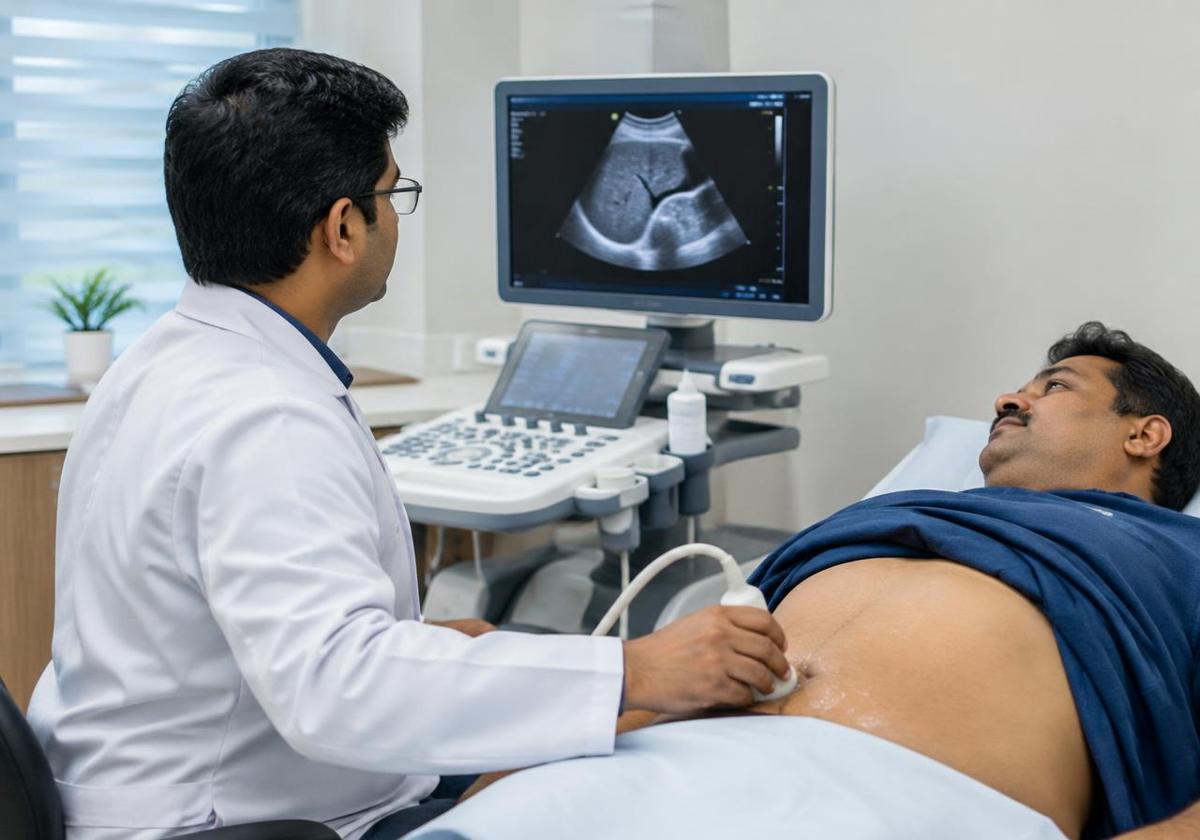
Many people have no symptoms and first learn about liver fat through an ultrasound or blood test. Some report tiredness or vague discomfort, but these symptoms have many possible causes. Type 2 diabetes, increased waist size, high blood pressure and abnormal blood fats can raise the likelihood of metabolic fatty liver. People at a lower body weight can also be affected. Not everyone develops serious liver disease, but some develop inflammation and scarring over time.
Assessing liver health
Your doctor may review alcohol intake, medicines, supplements, metabolic health and possible alternative causes of liver disease. Blood tests and a calculation using routine results can help assess the risk of scarring. Some people need a liver stiffness scan or specialist review. Normal liver enzyme results do not always rule out important scarring. Bring previous scans and reports so changes can be interpreted together. Be honest about alcohol and herbal products; this information helps guide safe care.
Sustainable habits that support your liver
If you carry excess weight, gradual, supported weight loss can reduce liver fat and may improve inflammation. Build meals around vegetables, pulses, whole grains and suitable protein sources, while limiting sugary drinks and highly processed foods. Regular physical activity helps even without large weight changes; start at a level appropriate for your health. Control diabetes, blood pressure and cholesterol with your care team. Avoid crash diets, detox products and unprescribed supplements, which may be ineffective or harmful.
Follow-up and warning signs
Follow-up depends on metabolic risk, test results and the amount of scarring, not simply the ultrasound grade. Ask when to repeat tests and whether specialist input is needed. No supplement should be assumed to reverse liver disease. Seek prompt care for yellow eyes or skin, increasing abdominal swelling or leg swelling. Vomiting blood, black tarry stools, confusion or marked drowsiness requires emergency assessment. These symptoms are not typical of uncomplicated liver fat and should not wait.
Related services
References
This information is for general awareness and does not replace advice from a qualified doctor.